What you need to do
The practical activities and techniques you need to master – what to practice, what to get good at, and what to keep doing.
Interview research questions and forming hypotheses
Before talking to anyone, define what you want to learn and why. Form clear research questions and hypotheses, decide how many conversations you need, and align with the team on what decisions this research will inform. Well-formed hypotheses prevent aimless interviews and ensure every conversation moves understanding forward.

Interview guide and question design
Write open-ended, non-leading questions that uncover real behavior instead of opinions. Structure the guide around topics, not a rigid script – so you can follow the conversation where it leads. Good questions start with “Tell me about the last time you…” not “Would you ever…?”
Participant recruiting and screening
Find the right people to talk to and automate the process so it’s sustainable week after week. Use customer-facing teams, in-product prompts, or advisory boards to keep your calendar full. If you have to hustle each week to find someone, you won’t sustain it.
Conducting interviews
Run the conversation without leading it – whether moderated (live, face-to-face or remote) or unmoderated (recorded tasks participants complete on their own). Probe when answers stay surface-level, stay neutral when you hear something surprising, and read between the lines. The interviewer’s job is to create space for honest stories – not to pitch, explain, or validate.
Affinity mapping and theme clustering
After multiple conversations, group raw observations into patterns. Use sticky notes (physical or digital) to cluster quotes, behaviors, and pain points into themes. The patterns that emerge across interviews are your opportunities – more reliable than any single conversation.
Insight synthesis
Turn raw quotes and messy notes into actionable findings the team can build on. A good synthesis connects what you heard to what you should do next. Use interview snapshots – a one-page summary with a memorable quote, experience map, and list of opportunities – not a 40-slide deck nobody reads.
Research repository and democratization
Store insights so they’re searchable and accessible to the whole organization. When knowledge compounds over time instead of dying in individual notebooks and slide decks, every new interview builds on what you already know. Make research a team asset, not one person’s private collection.
Frameworks to know
The mental models and structured approaches that guide how you think about this skill – not rules to follow, but lenses to see through.
Jobs-to-be-Done (JTBD)
Customers hire products to get a job done. The interview reconstructs the purchase timeline – first thought, passive looking, active looking, deciding, buying, consuming – and uncovers the four forces that drive every switch: push of the current situation, pull of the new solution, anxiety of change, and habit of the present.
Opportunity solution trees
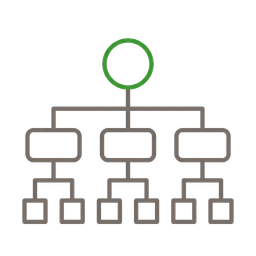
Outcome at top, opportunities discovered through interviews in the middle, solutions matched to specific opportunities below, experiments to test assumptions at the bottom. A visual tool that shows stakeholders how customer learning connects directly to business outcomes and keeps the team aligned on what to build next.
Interview snapshots
One-page synthesis after every conversation: participant photo, a memorable quote, quick facts, an experience map, and a list of opportunities. Not the one-hour recording nobody watches and not pages of messy notes. The snapshot format makes insights immediately shareable and actionable for the whole team.

Customer Bullseye Sprint
A structured sprint format for rapidly identifying and validating your ideal customer segment. The sprint compresses weeks of customer discovery into days by systematically narrowing from broad market segments to a specific bullseye customer through research, interviews, and evidence-based elimination. Created by the Learn More Faster team.
Good vs. bad
Common mistakes paired with what experienced practitioners do instead – and why the product builder approach changes the game.



Most teams treat interviewing as a phase you do before building. That’s backwards. Research and building should happen in the same rhythm – short cycles where you talk to users, prototype, and validate in days, not months.
The bottleneck was never the method. The bottleneck was the handoffs between people who research and people who build. When the same person does both, the cycle time from insight to prototype drops from weeks to days.
AI makes this even more realistic. Transcribe an interview in real time, extract patterns, and draft a prototype brief the same afternoon. What remains – and what AI can’t replace – is the human judgment: reading body language, probing when something doesn’t add up, and deciding what matters.
The product builder doesn’t need to become a research specialist. They need one habit: talk to one customer every week.
Go deeper
Books to deepen your understanding beyond what fits on this page.
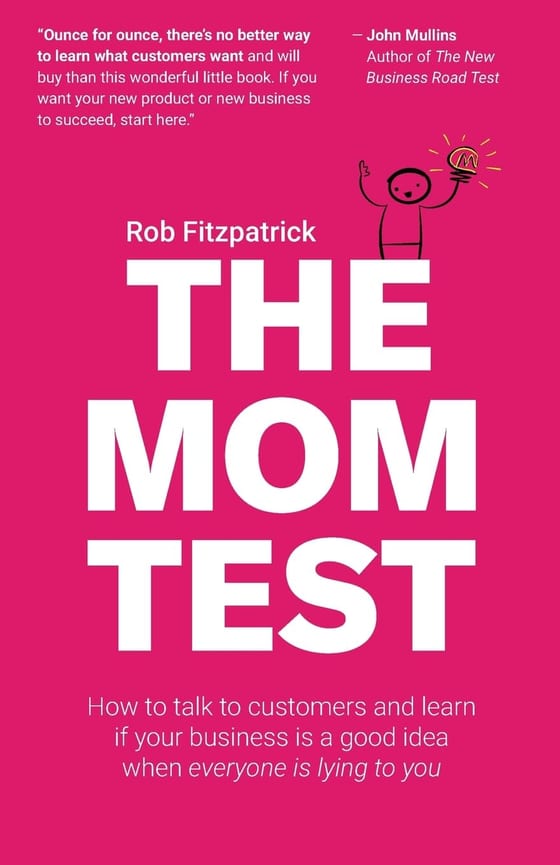
How to talk to customers and learn if your business is a good idea when everyone is lying to you.
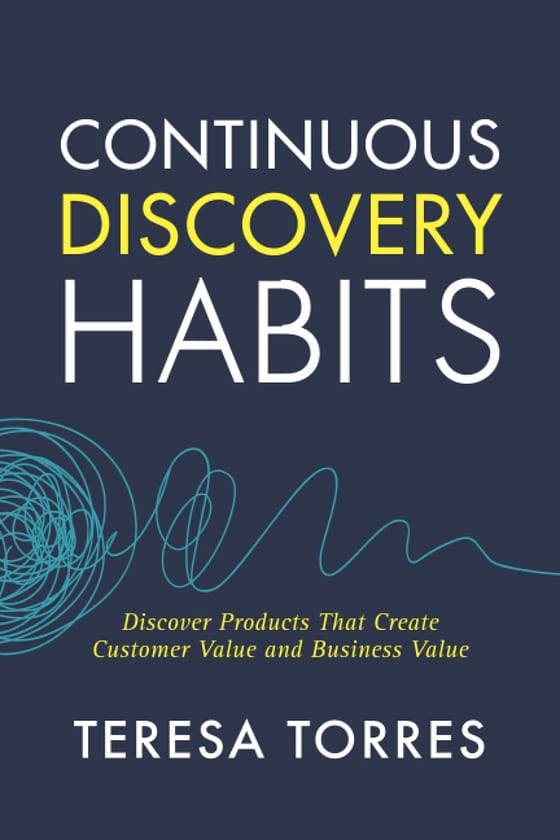
The playbook for weekly customer touchpoints, interview snapshots, and opportunity solution trees.
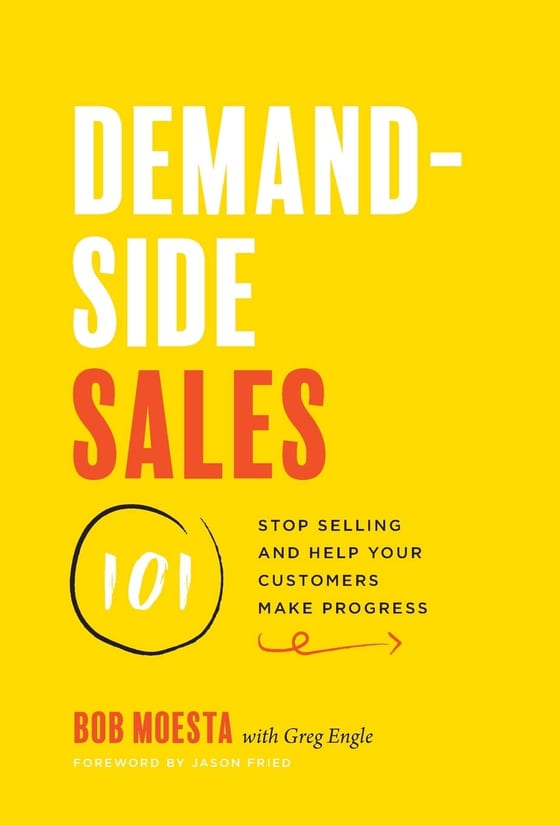
The practical side of Jobs-to-be-Done – how to run switch interviews and uncover the real buying timeline.
The Customer Bullseye Sprint methodology – a structured approach to rapidly identifying your ideal customer segment through compressed discovery cycles.